
Hey there! As a scissor lift supplier, I've seen firsthand how important it is to transport these machines safely and efficiently. Whether you're moving a scissor lift to a job site or storing it for the off-season, getting the transport right is key. In this blog, I'll walk you through the steps of transporting a scissor lift on a trailer.
Step 1: Choose the Right Trailer
The first thing you need to do is pick the right trailer for your scissor lift. You gotta make sure the trailer can handle the weight and size of your lift. Check the trailer's weight capacity and dimensions before you load up. If you're not sure, give us a shout, and we can help you figure it out.
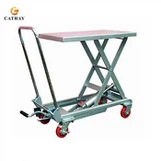
When it comes to scissor lifts, we've got a great range, like the Multi-Terrain Hydraulic Mini Scissor Lift. It's compact and versatile, but you still need a proper trailer to move it.
Step 2: Prepare the Scissor Lift
Before you load the scissor lift onto the trailer, you need to prep it. First, turn off the power and make sure all the controls are in the neutral position. Lower the platform all the way down so it's as low as possible. This will lower the center of gravity and make the lift more stable during transport.
Next, remove any loose items from the lift, like tools or materials. You don't want anything flying around or getting damaged during the journey. Also, check the tires for proper inflation. If they're low, fill them up to the recommended pressure.
Step 3: Secure the Lift to the Trailer
Once the lift is on the trailer, you need to secure it properly. Use high-quality tie-down straps or chains to hold the lift in place. Attach the straps or chains to the lift's frame and then to the trailer's tie-down points. Make sure the straps are tight and there's no slack.
For larger scissor lifts, like our Hydraulic Lift, you might need more than one set of tie-downs. Don't skimp on the securing process; it's crucial for safety.


Step 4: Check the Load Distribution
Proper load distribution is important when transporting a scissor lift. You want the weight to be evenly spread across the trailer. If the lift is too far forward or backward, it can affect the trailer's handling and stability.
Center the scissor lift on the trailer as best you can. If necessary, adjust the position of the lift to balance the weight. You can use a level to check if the trailer is sitting evenly.
Step 5: Perform a Final Inspection
Before you hit the road, do a final inspection of everything. Check the tie-downs again to make sure they're still tight. Look at the trailer's lights to make sure they're working properly. Also, check the brakes and tires on the trailer.
It's a good idea to walk around the trailer and the scissor lift to make sure there are no obvious issues. If you notice anything wrong, fix it before you start driving.
Step 6: Drive Safely
Once you're on the road, drive safely. Remember that you're towing a heavy load, so you need to take it easy. Keep a safe distance from other vehicles and avoid sudden stops or starts.
Be aware of the trailer's length and width when you're turning or changing lanes. Take corners slowly and carefully. If you're driving on a long trip, make regular stops to check the tie-downs and the trailer.
Step 7: Unloading the Scissor Lift
When you reach your destination, it's time to unload the scissor lift. Follow the same safety procedures as when you loaded it. First, remove the tie-downs carefully. Then, use the lift's controls to move it off the trailer.
Make sure the area where you're unloading the lift is flat and stable. If you're not sure how to unload the lift safely, our team can provide you with some guidance.
Tips for Transporting Scissor Lifts
- Plan your route: Before you start driving, plan your route. Avoid roads with low bridges or narrow lanes that might be difficult to navigate with a trailer.
- Weather conditions: Check the weather forecast before you head out. If there's bad weather, like heavy rain or snow, it might be better to delay your transport.
- Maintenance: Regularly maintain your trailer and scissor lift. This will help prevent breakdowns and ensure that everything is in good working condition.
Conclusion
Transporting a scissor lift on a trailer might seem like a daunting task, but if you follow these steps, it can be done safely and efficiently. As a scissor lift supplier, we're here to help you with any questions you might have. Whether you're looking for a new scissor lift, like our Electric Hydraulic Scissor Lift Tables, or need advice on transport, just reach out.
If you're interested in purchasing a scissor lift or have any inquiries about our products, don't hesitate to contact us. We're always ready to discuss your needs and find the best solution for you.
References
- Industry best practices for scissor lift transport
- Manufacturer's guidelines for scissor lift models