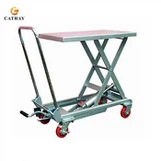

As a reputable table lift supplier, I understand the paramount importance of safety in industrial and commercial settings. Table lifts, such as the Manual Single Scissor Lift Table, Industrial Hydraulic Electric Lift Table, and Double Scissor Lift Table, are widely used for various lifting tasks. However, without proper safety guards, they can pose significant risks to operators and nearby personnel. In this blog post, I will guide you through the process of installing safety guards on a table lift to ensure a safe working environment.


Step 1: Choose the Right Safety Guards
Before you start the installation process, it is crucial to select the appropriate safety guards for your table lift. There are several types of safety guards available, including mesh guards, solid panel guards, and railing guards. The choice of safety guards depends on various factors, such as the type of table lift, the nature of the lifting task, and the specific safety requirements of your workplace.
- Mesh Guards: Mesh guards are made of wire mesh and are commonly used to provide visibility while preventing objects from falling through. They are suitable for table lifts that require operators to have a clear view of the load or the surrounding area.
- Solid Panel Guards: Solid panel guards are made of solid materials, such as metal or plastic, and provide maximum protection against falling objects. They are ideal for table lifts that are used in areas where there is a high risk of objects falling or where operators need to be shielded from debris.
- Railing Guards: Railing guards consist of vertical posts and horizontal rails and are used to prevent operators from accidentally falling off the table lift. They are typically installed around the perimeter of the table lift platform.
When choosing safety guards, make sure they are compatible with your table lift and meet the relevant safety standards and regulations. You may also want to consider the durability, ease of installation, and maintenance requirements of the safety guards.
Step 2: Gather the Necessary Tools and Materials
Once you have chosen the appropriate safety guards, you will need to gather the necessary tools and materials for the installation process. The specific tools and materials required may vary depending on the type of safety guards and the table lift you are working with. However, some common tools and materials include:
- Tools: Screwdriver, wrench, drill, measuring tape, level, and safety glasses.
- Materials: Safety guards, mounting brackets, screws, bolts, and washers.
Make sure you have all the necessary tools and materials before you start the installation process to avoid any delays or interruptions.
Step 3: Prepare the Table Lift
Before installing the safety guards, you need to prepare the table lift for the installation process. This involves cleaning the table lift platform and removing any debris or obstructions that may interfere with the installation. You should also inspect the table lift for any damage or defects and make any necessary repairs before proceeding with the installation.
- Clean the Table Lift Platform: Use a clean cloth or a mild detergent to clean the table lift platform. Make sure to remove any dirt, grease, or other contaminants that may affect the adhesion of the mounting brackets or the safety guards.
- Remove Debris and Obstructions: Check the table lift platform for any debris or obstructions, such as loose screws, bolts, or other objects. Remove these items to ensure a clear and safe working area.
- Inspect the Table Lift: Inspect the table lift for any damage or defects, such as cracks, dents, or loose parts. If you find any issues, make the necessary repairs before proceeding with the installation.
Step 4: Install the Mounting Brackets
The next step is to install the mounting brackets for the safety guards. The mounting brackets are used to secure the safety guards to the table lift platform. The specific installation process may vary depending on the type of mounting brackets and the table lift you are working with. However, the general steps are as follows:
- Position the Mounting Brackets: Use a measuring tape and a level to position the mounting brackets on the table lift platform. Make sure the mounting brackets are evenly spaced and aligned with the safety guards.
- Mark the Drill Holes: Once the mounting brackets are positioned correctly, use a drill to mark the drill holes on the table lift platform. Make sure the drill holes are the correct size and depth for the screws or bolts you will be using.
- Drill the Holes: Use a drill to drill the holes in the table lift platform. Make sure to use the appropriate drill bit and drill at a slow speed to avoid damaging the table lift platform.
- Install the Mounting Brackets: Insert the screws or bolts through the holes in the mounting brackets and into the holes in the table lift platform. Tighten the screws or bolts using a wrench or a screwdriver to secure the mounting brackets to the table lift platform.
Step 5: Install the Safety Guards
After the mounting brackets are installed, you can proceed with installing the safety guards. The specific installation process may vary depending on the type of safety guards and the table lift you are working with. However, the general steps are as follows:
- Position the Safety Guards: Use a measuring tape and a level to position the safety guards on the mounting brackets. Make sure the safety guards are evenly spaced and aligned with the mounting brackets.
- Attach the Safety Guards: Use screws, bolts, or other fasteners to attach the safety guards to the mounting brackets. Make sure to tighten the fasteners securely to ensure the safety guards are firmly attached to the table lift platform.
- Check the Alignment and Stability: Once the safety guards are installed, check the alignment and stability of the safety guards. Make sure the safety guards are level and plumb and that they do not wobble or move when pressure is applied.
Step 6: Test the Safety Guards
After the safety guards are installed, it is important to test the safety guards to ensure they are working properly. The specific testing process may vary depending on the type of safety guards and the table lift you are working with. However, the general steps are as follows:
- Operate the Table Lift: Operate the table lift through its full range of motion to test the safety guards. Make sure the safety guards do not interfere with the operation of the table lift and that they remain securely attached to the table lift platform.
- Check for Clearance: Check the clearance between the safety guards and the table lift platform, as well as the clearance between the safety guards and any other objects or equipment in the vicinity. Make sure there is enough clearance to prevent any interference or collisions.
- Inspect the Safety Guards: Inspect the safety guards for any damage or defects, such as cracks, dents, or loose parts. If you find any issues, make the necessary repairs before using the table lift.
Step 7: Train the Operators
Once the safety guards are installed and tested, it is important to train the operators on how to use the table lift safely. The training should cover the following topics:
- Safety Procedures: Teach the operators the proper safety procedures for using the table lift, including how to operate the table lift, how to load and unload the table lift, and how to use the safety guards.
- Emergency Procedures: Teach the operators the emergency procedures for using the table lift, including how to stop the table lift in case of an emergency, how to evacuate the table lift, and how to report any safety issues or incidents.
- Maintenance Procedures: Teach the operators the maintenance procedures for using the table lift, including how to inspect the table lift, how to clean the table lift, and how to perform any necessary repairs or maintenance.
By providing comprehensive training to the operators, you can ensure that they are aware of the potential hazards associated with using the table lift and that they know how to use the table lift safely.
Conclusion
Installing safety guards on a table lift is an important step in ensuring the safety of operators and nearby personnel. By following the steps outlined in this blog post, you can install safety guards on your table lift quickly and easily. Remember to choose the right safety guards, gather the necessary tools and materials, prepare the table lift, install the mounting brackets, install the safety guards, test the safety guards, and train the operators. By taking these steps, you can create a safe and productive working environment for everyone.
If you have any questions or need further assistance with installing safety guards on your table lift, please do not hesitate to contact us. We are a leading table lift supplier and can provide you with the expertise and support you need to ensure the safety of your workplace. Contact us today to learn more about our table lifts and safety guards and to discuss your specific requirements.
References
- Occupational Safety and Health Administration (OSHA). (n.d.). Powered Industrial Trucks. Retrieved from OSHA Website
- American National Standards Institute (ANSI). (n.d.). Safety Requirements for Low-Lift and High-Lift Trucks. Retrieved from ANSI Website
- British Standards Institution (BSI). (n.d.). Safety of Machinery - Safety Requirements for Lifting Tables. Retrieved from BSI Website