
Hey there! As a lift table supplier, I often get asked about the floor requirements for installing a lift table. It's a crucial topic because the right floor conditions can ensure the safe and efficient operation of these handy machines. So, let's dive right in and explore what you need to know.
Load - Bearing Capacity
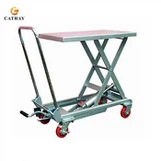
First off, load - bearing capacity is a big deal. Lift tables are designed to handle different weights depending on their type and intended use. For instance, our Electric Motor Scissor Lift Table can carry a certain amount of weight, and you need to make sure the floor can support that load.
The floor should be able to handle the static weight of the lift table itself plus the maximum load it's designed to carry. If the floor can't bear the weight, it might crack or sink over time. This not only affects the performance of the lift table but also poses a serious safety risk.
To determine the load - bearing capacity of your floor, you can consult a structural engineer. They'll assess the floor's construction, materials, and overall design to figure out if it can handle the load. In some cases, you might need to reinforce the floor if it falls short.
Flatness and Levelness
Another important factor is the flatness and levelness of the floor. A lift table needs a flat surface to operate smoothly. If the floor is uneven, the lift table might tilt or wobble during operation. This can cause the load to shift, potentially leading to accidents.


For most lift tables, a floor with a slope of no more than 1% is recommended. That means for every 100 feet of floor length, the height difference should be no more than 1 foot. You can use a spirit level or a laser level to check the flatness of the floor.
If you find that the floor is not flat enough, there are a few solutions. You can use shims to level the lift table, but this is usually a short - term fix. For a more permanent solution, you might need to resurface the floor. This could involve grinding down high spots or applying a self - leveling compound to fill in low areas.
Surface Condition
The surface condition of the floor matters too. A rough or damaged floor can cause problems for the lift table's wheels or casters. It can also make it difficult for the lift table to move smoothly.
The floor should be free of cracks, holes, and debris. Cracks can catch the wheels of the lift table, causing it to stop suddenly or even tip over. Holes can pose a tripping hazard and damage the lift table's components. Debris on the floor can get stuck in the wheels or mechanisms, affecting the lift table's performance.
If you notice any cracks or holes in the floor, you should repair them before installing the lift table. Small cracks can be filled with epoxy or a similar filler, while larger holes might require more extensive repairs. Regularly cleaning the floor to remove debris is also a good practice.
Chemical Resistance
In some industrial settings, the floor might be exposed to chemicals. If your lift table will be used in such an environment, you need to consider the chemical resistance of the floor.
Certain chemicals can damage the floor surface, which in turn can affect the lift table. For example, acids can corrode concrete floors, making them weaker and less stable.
When choosing a floor for a lift table installation in a chemical - exposed area, look for a floor coating or material that is resistant to the specific chemicals present. There are many types of chemical - resistant coatings available, such as epoxy and polyurethane coatings.
Compatibility with Lift Table Type
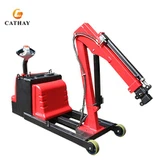
Different types of lift tables have different floor requirements. Take our Hydraulic Vertical Cargo Elevator for example. It's a heavy - duty machine, and it might require a more robust floor compared to a smaller, lighter lift table.
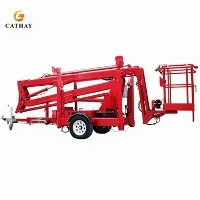
The Multi - Terrain Hydraulic Mini Scissor Lift is designed for more versatile use, but it still needs a suitable floor. Its smaller size might allow for a bit more flexibility in terms of floor conditions, but the basic requirements of load - bearing capacity, flatness, and surface condition still apply.
Before you choose a lift table, make sure to consider the floor conditions at your installation site. If you're not sure which lift table is right for your floor, our team of experts can help. We'll assess your floor and recommend the most suitable lift table for your needs.
Installation Space
In addition to the floor conditions, you also need to consider the installation space. The lift table needs enough room to operate safely. There should be sufficient clearance around the lift table for the load to be loaded and unloaded without any obstructions.
You also need to make sure there is enough headroom for the lift table to reach its maximum height. Measure the height from the floor to the ceiling or any overhead structures to ensure there is enough space.
Maintenance and Inspection
Once the lift table is installed, regular maintenance and inspection are essential. Check the floor regularly for any signs of damage or wear. Look for cracks, holes, or changes in the surface condition.
Inspect the lift table's wheels, casters, and other components for any signs of damage or excessive wear. Make sure the lift table is still level and operating smoothly.
If you notice any issues, address them promptly. This will help ensure the long - term performance and safety of the lift table.
Conclusion
In conclusion, the floor requirements for installing a lift table are crucial for its safe and efficient operation. You need to consider factors like load - bearing capacity, flatness and levelness, surface condition, chemical resistance, compatibility with the lift table type, installation space, and regular maintenance.
If you're in the market for a lift table and have questions about floor requirements or which lift table is right for you, don't hesitate to reach out. Our team of experts is here to help you make the best decision for your business. Whether you need a Electric Motor Scissor Lift Table, a Hydraulic Vertical Cargo Elevator, or a Multi - Terrain Hydraulic Mini Scissor Lift, we've got you covered.
Let's work together to find the perfect lift table solution for your needs and ensure a safe and productive work environment.
References
- Industrial Lift Table Installation Guidelines, Industry Standards Publication
- Structural Engineering Handbook for Floor Assessments