
Hey there! As a supplier of towable man lifts, I've seen firsthand how important regular maintenance is to keep these machines running smoothly and safely. In this blog post, I'll walk you through the key parts of a towable man lift that need regular TLC.
1. Hydraulic System
The hydraulic system is the heart of a towable man lift. It's responsible for raising and lowering the boom, extending and retracting the jib, and operating other moving parts. Regular maintenance of the hydraulic system is crucial to prevent leaks, ensure proper operation, and extend the lifespan of the components.
- Check the Fluid Level: The hydraulic fluid level should be checked regularly, at least once a week or before each use. Low fluid levels can cause the pump to overheat and damage the system. If the fluid level is low, add the recommended hydraulic fluid to the reservoir.
- Inspect for Leaks: Look for signs of hydraulic fluid leaks around the hoses, fittings, cylinders, and valves. Leaks can not only lead to a loss of fluid but also contaminate the environment. If you notice any leaks, repair them immediately.
- Change the Fluid and Filter: Over time, the hydraulic fluid can become contaminated with dirt, debris, and moisture. It's recommended to change the hydraulic fluid and filter according to the manufacturer's guidelines, usually every 500 - 1000 hours of operation or once a year.
2. Electrical System
The electrical system powers the controls, lights, and other accessories of the towable man lift. A well - maintained electrical system is essential for safe and reliable operation.
- Inspect the Batteries: Check the battery terminals for corrosion and ensure they are tightly connected. Clean the terminals with a wire brush if necessary. Also, check the battery water level (for lead - acid batteries) and top it up with distilled water if needed.
- Test the Lights and Controls: Make sure all the lights, including the headlights, taillights, and warning lights, are working properly. Test the controls to ensure smooth and accurate operation of the lift. If any electrical components are not functioning correctly, have them repaired or replaced.
- Check the Wiring: Inspect the wiring for any signs of damage, such as frayed wires or loose connections. Damaged wiring can cause electrical shorts and pose a safety hazard. Repair or replace any damaged wiring as soon as possible.
3. Boom and Jib
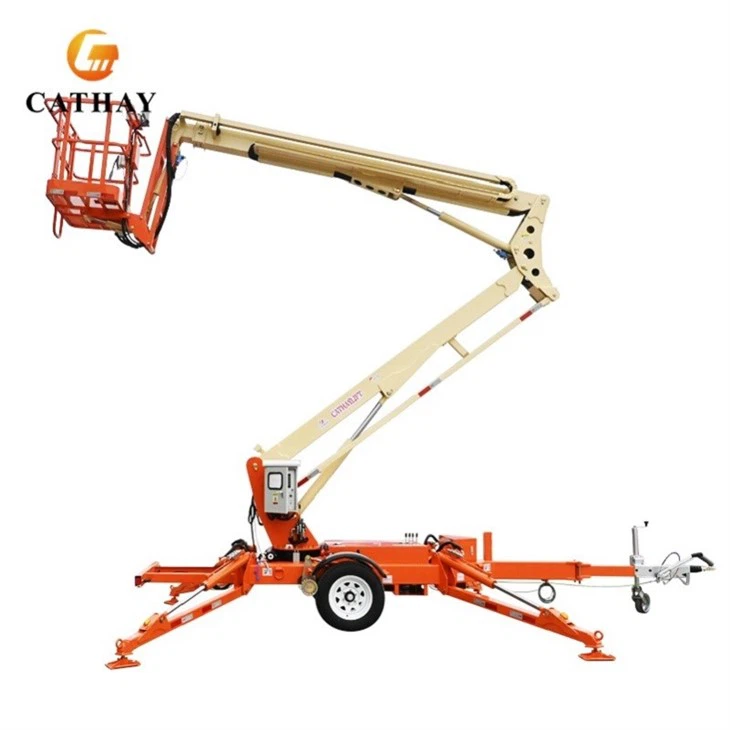
The boom and jib are the main structural components that allow the towable man lift to reach different heights and angles. Regular inspection and maintenance of these parts are vital for the safety and performance of the lift.
- Inspect for Cracks and Damage: Look for cracks, dents, or other signs of damage on the boom and jib. Pay special attention to the welds and joints. Any damage to these critical components can compromise the structural integrity of the lift. If you find any damage, do not use the lift and have it inspected by a qualified technician.
- Lubricate Moving Parts: The pivot points, joints, and bearings on the boom and jib need to be lubricated regularly to reduce friction and wear. Use the recommended lubricant and follow the manufacturer's instructions for lubrication intervals.
- Check the Extension and Retraction Mechanisms: Ensure that the boom and jib can extend and retract smoothly without any jerks or binding. If there are any issues with the extension or retraction, it could indicate a problem with the hydraulic system or the mechanical components.
4. Tires and Brakes
The tires and brakes are important for the mobility and safety of the towable man lift when it's being transported.
- Check the Tire Pressure: Maintain the correct tire pressure as recommended by the manufacturer. Under - inflated tires can cause uneven wear, reduce fuel efficiency, and affect the stability of the lift. Over - inflated tires can also be dangerous and may lead to a blowout.
- Inspect the Tires for Wear: Look for signs of uneven wear, cuts, or punctures on the tires. Replace any tires that are worn beyond the recommended tread depth or have significant damage.
- Test the Brakes: Ensure that the brakes are functioning properly. Check the brake pads for wear and replace them if they are too thin. Test the braking system by applying the brakes while the lift is stationary and then slowly moving it forward and backward.
5. Outriggers
Outriggers provide stability to the towable man lift when it's in use. They need to be in good working condition to prevent the lift from tipping over.
- Inspect the Outrigger Pads: Check the outrigger pads for cracks, damage, or excessive wear. The pads should be flat and in good contact with the ground to distribute the weight evenly. Replace any damaged pads.
- Test the Outrigger Extension and Retraction: Make sure the outriggers can extend and retract smoothly. Check the hydraulic or mechanical components that operate the outriggers for any signs of damage or malfunction.
- Verify the Locking Mechanisms: Ensure that the outriggers lock securely in place when extended. A loose or faulty locking mechanism can compromise the stability of the lift.
6. Safety Devices
Safety devices are crucial for protecting the operator and other personnel around the towable man lift.
- Inspect the Safety Harnesses and Lanyards: Check the safety harnesses and lanyards for any signs of wear, fraying, or damage. Make sure they are properly adjusted and in good working condition. Replace any damaged safety equipment immediately.
- Test the Emergency Stop Button: The emergency stop button should be easily accessible and in working order. Test it regularly to ensure that it can stop the lift's operation in case of an emergency.
- Check the Load Sensors and Limit Switches: These devices are designed to prevent the lift from being overloaded or operating beyond its safe limits. Inspect them for proper operation and make sure they are calibrated correctly.
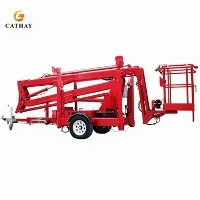
As a supplier, we offer a range of high - quality towable man lifts, including the 10m To 20m Towable Trailer Boom Lift, New Upgrade Towable Trailer Boom Lift, and Pull Behind Boom Lift. Regular maintenance of these lifts will not only keep them in top - notch condition but also save you money in the long run by preventing costly breakdowns.
If you're in the market for a towable man lift or need more information about maintenance, feel free to reach out to us for a detailed discussion. We're here to help you make the right choice and ensure the safe and efficient operation of your equipment.

References
- Manufacturer's manuals for towable man lifts
- Industry standards and guidelines for aerial work platforms maintenance