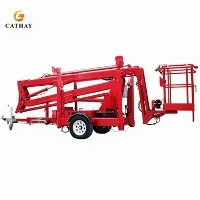

Transporting a trailer boom lift is a crucial process that requires careful planning and execution to ensure the safety of the equipment, the transportation personnel, and other road users. As a trailer boom lift supplier, I understand the significance of proper transportation and the challenges that may arise. This blog will guide you through the essential steps of transporting a trailer boom lift, offering insights and precautions to streamline the process.
Pre - Transportation Preparation
Before moving the trailer boom lift, a comprehensive pre - inspection is mandatory. Start by checking the boom lift's structural integrity. Inspect for any visible damages such as cracks, bends, or loose fittings on the boom, chassis, and outriggers. These components play a vital role in the stability and functionality of the lift, so any issues should be addressed immediately.
Examine the hydraulic systems for leaks. The hydraulic cylinders, hoses, and valves should be in good condition. A leak can not only lead to a loss of lifting power but also create a safety hazard. Ensure that all fluids, including the hydraulic fluid, engine oil, and coolant, are at the appropriate levels.
Tire inspection is another key step. Check the tire pressure and ensure it matches the manufacturer's specifications. Worn - out tires with low tread depth increase the risk of a blowout during transportation. Verify that the tires are properly balanced and there are no signs of uneven wear or damage.
Secure all loose items on the trailer boom lift. Tools, spare parts, and any other objects that are not firmly attached can become projectiles during transit, causing damage to the lift or posing a danger to the driver and others on the road.
Selecting the Right Transport Vehicle
The choice of transport vehicle depends on the size and weight of the trailer boom lift. For smaller models, a suitable tow vehicle with an adequate towing capacity can be used. It is essential to consult the lift's user manual to determine its exact weight and dimensions. This information will help you match the boom lift with the right tow vehicle.
A tow hitch is a critical component when towing a trailer boom lift. Make sure that the tow hitch is compatible with the trailer's coupler size and type. It should be properly installed and rated to handle the weight of the boom lift. Additionally, use safety chains to provide an extra layer of security in case the hitch fails.
For larger trailer boom lifts, a flatbed truck or a specialized heavy - haul trailer may be required. These options offer more stability and support during transportation. When using a flatbed truck, ensure that the boom lift is centered and evenly distributed on the bed to prevent any imbalance that could affect the vehicle's handling.
Loading the Trailer Boom Lift
Loading a trailer boom lift should be done with extreme caution. If possible, use a loading ramp that is designed to support the weight of the lift. The ramp should be securely positioned and have a non - slip surface to prevent the lift from skidding during loading.
Before driving the lift onto the ramp, engage the parking brake and lower the outriggers if applicable. Slowly drive the lift up the ramp, using a spotter if necessary to ensure proper alignment. Once the lift is on the transportation vehicle, use appropriate tie - down straps to secure it.
The tie - down straps should be made of high - strength material and rated to hold the weight of the boom lift. Attach the straps to the designated tie - down points on the lift and the transportation vehicle. Make sure the straps are tight and there is no slack. Check that the lift is level and stable on the vehicle to prevent it from shifting during transit.
Securing the Boom Lift
Properly securing the boom lift is essential to prevent movement and damage during transportation. In addition to the tie - down straps, use additional supports such as blocks or chocks to prevent the lift from rolling or sliding. Place the chocks in front of and behind the tires to immobilize the lift.
If the boom lift has a telescopic boom, retract it fully and secure it in place. Use straps or brackets to hold the boom firmly to the lift's chassis. This will reduce the risk of the boom swinging or vibrating during transit, which could cause damage to the boom or other parts of the lift.
For models with a jib, fold it back and secure it as well. Ensure that all control panels, switches, and other exposed components are protected to prevent any damage from debris or vibrations.
Route Planning
When transporting a trailer boom lift, careful route planning is necessary. Consider the height and width of the lift and check for any low - clearance bridges, overpasses, or narrow roads along the way. Use mapping tools or GPS systems that can provide information on road conditions, weight restrictions, and potential obstacles.


Avoid routes with sharp turns, steep inclines, or rough terrain if possible. These conditions can put additional stress on the tow vehicle and the boom lift, increasing the risk of an accident. If you must travel on a road with challenging conditions, take extra precautions such as reducing your speed and using additional safety measures.
It is also important to check the local traffic regulations regarding the transportation of oversized or heavy loads. Some areas may require special permits or escorts for transporting large equipment like a trailer boom lift. Make sure you obtain all the necessary permits before starting your journey to avoid any legal issues.
During Transportation
During transportation, the driver should be extra vigilant. Keep a safe distance from other vehicles and maintain a steady speed. Avoid sudden stops, starts, or sharp turns, as these can cause the boom lift to shift or become unstable.
Regularly check the tie - down straps and supports to ensure they are still secure. Make stops at regular intervals to inspect the lift and the transportation vehicle for any signs of damage or issues. If you notice any problems, such as a loose strap or a damaged tire, address them immediately before continuing your journey.
Unloading the Trailer Boom Lift
Unloading the trailer boom lift is as important as loading it. Reverse the loading process carefully. Remove the tie - down straps and supports in a systematic manner. Lower the ramp and ensure it is stable.
Slowly drive the boom lift off the ramp, following the same safety procedures as during loading. Once the lift is off the transportation vehicle, park it in a safe and level area.
If you are interested in our Cherry Picker Spider Lift, Cherry Picker Boom Lift, or Pull Behind Boom Lift, and have any questions about transporting these equipment or are considering a purchase, feel free to reach out to us. We are here to provide you with professional advice and support to ensure a smooth experience.
References
- Manufacturer's user manuals for trailer boom lifts
- Transportation safety guidelines from relevant authorities
- Industry best practices for transporting heavy equipment