
As a seasoned supplier of material lifts, I understand the critical importance of ensuring the stability of these essential pieces of equipment. Material lifts are widely used in various industries, including construction, warehousing, and manufacturing, to safely and efficiently move heavy loads to different heights. However, without proper stability measures, these lifts can pose significant risks to operators and nearby personnel. In this blog post, I will share some key strategies and best practices to help you ensure the stability of your material lift.
Understanding the Basics of Material Lift Stability
Before delving into specific stability measures, it's essential to understand the basic principles that govern the stability of material lifts. The stability of a lift is primarily determined by its center of gravity, which is the point at which the entire weight of the lift is considered to be concentrated. When the center of gravity is within the base of support, the lift is stable. However, if the center of gravity moves outside the base of support, the lift becomes unstable and may tip over.


Several factors can affect the center of gravity of a material lift, including the load being carried, the height of the lift, and the position of the operator. For example, a lift carrying a heavy load at a high height will have a higher center of gravity than a lift carrying a light load at a low height. Similarly, if the operator stands on one side of the lift, it can shift the center of gravity and make the lift more prone to tipping.
Choosing the Right Lift for the Job
One of the most important steps in ensuring the stability of a material lift is choosing the right lift for the job. Different types of lifts are designed for specific applications and have different weight capacities, lift heights, and stability features. When selecting a lift, it's crucial to consider the following factors:
- Load Capacity: Make sure the lift you choose has a weight capacity that is sufficient to handle the load you need to lift. Overloading a lift can significantly increase the risk of tipping.
- Lift Height: Consider the maximum height you need to reach and choose a lift with a suitable lift height. Keep in mind that the higher the lift, the more unstable it may become.
- Base Size: A wider base provides greater stability, especially when lifting heavy loads or working at high heights. Look for a lift with a base that is appropriate for the application.
- Stability Features: Some lifts come with additional stability features, such as outriggers or counterweights, which can help improve stability. Consider these features when choosing a lift.
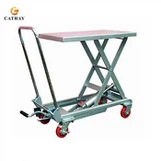
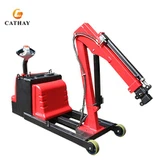
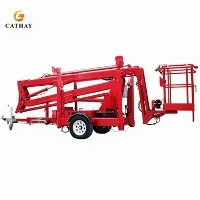
At our company, we offer a wide range of material lifts to meet the diverse needs of our customers. Our Light-Weight Aluminum Lift is a popular choice for applications that require a lightweight and portable lift. It has a high weight capacity and is designed for easy maneuverability. Our Dual Mast Aluminum Man Lift and Aerial Work Platform Dual Mast Lift are ideal for applications that require a higher lift height and greater stability.
Proper Installation and Setup
Once you have chosen the right lift for the job, it's essential to ensure that it is installed and set up correctly. Improper installation or setup can compromise the stability of the lift and increase the risk of accidents. Here are some key steps to follow when installing and setting up a material lift:
- Read the Manual: Before installing or operating the lift, carefully read the manufacturer's manual. The manual will provide detailed instructions on how to install, set up, and operate the lift safely.
- Choose a Stable Surface: The lift should be placed on a flat, level, and stable surface. Avoid placing the lift on uneven or soft ground, as this can cause the lift to tip over.
- Level the Lift: Use a spirit level to ensure that the lift is level before use. If the lift is not level, it can affect its stability and make it more difficult to operate.
- Secure the Lift: Make sure the lift is properly secured to prevent it from moving or tipping during use. This may involve using outriggers, stabilizers, or other securing devices.
- Inspect the Lift: Before each use, inspect the lift for any signs of damage or wear. Check the hydraulic system, the cables, the platform, and the controls to ensure they are in good working condition.
Safe Operating Practices
In addition to choosing the right lift and installing it correctly, it's essential to follow safe operating practices to ensure the stability of the lift. Here are some key tips to keep in mind when operating a material lift:
- Follow the Manufacturer's Instructions: Always follow the manufacturer's instructions when operating the lift. This includes using the lift within its specified weight capacity, lift height, and operating range.
- Use the Lift Only for Its Intended Purpose: Material lifts are designed for specific applications and should not be used for other purposes. For example, do not use a lift to transport people unless it is specifically designed for that purpose.
- Keep the Load Centered: When loading the lift, make sure the load is centered on the platform. This will help keep the center of gravity within the base of support and improve the stability of the lift.
- Avoid Sudden Movements: Sudden movements, such as starting, stopping, or turning the lift quickly, can cause the load to shift and affect the stability of the lift. Move the lift slowly and smoothly to minimize the risk of tipping.
- Stay Alert and Focused: When operating the lift, stay alert and focused at all times. Pay attention to your surroundings and be aware of any potential hazards. Avoid distractions, such as using your phone or listening to music, while operating the lift.
Regular Maintenance and Inspection
Regular maintenance and inspection are essential to ensure the continued stability and safety of a material lift. Over time, wear and tear can affect the performance of the lift and increase the risk of accidents. Here are some key maintenance and inspection tasks to perform on a regular basis:
- Lubricate Moving Parts: Lubricate the moving parts of the lift, such as the hydraulic cylinders, the cables, and the joints, to reduce friction and wear.
- Check the Hydraulic System: Inspect the hydraulic system for any signs of leaks, damage, or low fluid levels. Replace any damaged or worn hydraulic components as needed.
- Inspect the Cables and Chains: Check the cables and chains for any signs of damage, such as fraying, kinking, or stretching. Replace any damaged cables or chains immediately.
- Test the Safety Features: Test the safety features of the lift, such as the emergency stop button, the overload protection system, and the safety interlocks, to ensure they are working properly.
- Schedule Professional Inspections: In addition to regular maintenance and inspections, it's recommended to schedule professional inspections of the lift at least once a year. A professional inspector can identify any potential problems and recommend appropriate repairs or maintenance.
Training and Certification
Proper training and certification are essential for anyone who operates a material lift. Operating a lift without the necessary training and certification can increase the risk of accidents and injuries. Here are some key points to consider when it comes to training and certification:
- Provide Training: Ensure that all operators receive comprehensive training on how to operate the lift safely. The training should cover topics such as lift installation, setup, operation, maintenance, and safety procedures.
- Use Qualified Instructors: The training should be conducted by qualified instructors who have experience in operating and maintaining material lifts. The instructors should be able to provide hands-on training and answer any questions the operators may have.
- Obtain Certification: In many countries, operators of material lifts are required to obtain certification to operate the lift legally. Make sure your operators obtain the necessary certification and keep their certification up to date.
- Refresh Training Regularly: Even experienced operators should receive regular refresh training to keep their skills and knowledge up to date. Refresh training can help operators stay aware of any new safety regulations or operating procedures.
Conclusion
Ensuring the stability of a material lift is essential for the safety of operators and nearby personnel. By choosing the right lift for the job, installing it correctly, following safe operating practices, performing regular maintenance and inspection, and providing proper training and certification, you can minimize the risk of accidents and ensure the safe and efficient operation of your material lift.
If you have any questions or need further information about our material lifts or how to ensure their stability, please do not hesitate to contact us. We are here to help you choose the right lift for your needs and provide you with the support and guidance you need to operate it safely.
References
- American National Standards Institute (ANSI). (2019). Safety requirements for personnel lifts. ANSI/ASME A92.20-2019.
- Occupational Safety and Health Administration (OSHA). (2018). Powered industrial trucks. 29 CFR 1910.178.
- International Organization for Standardization (ISO). (2019). Mobile elevating work platforms - Design calculations, stability criteria, construction requirements and tests. ISO 16368:2019.