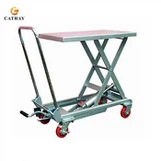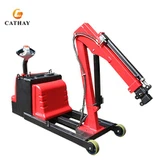

As a seasoned supplier of floor cranes, I've been frequently asked about the maximum working time of a floor crane without a break. This is a crucial question for businesses relying on these machines for their daily operations. In this blog, I'll delve into the factors that determine this limit and provide some practical insights.
Understanding Floor Cranes
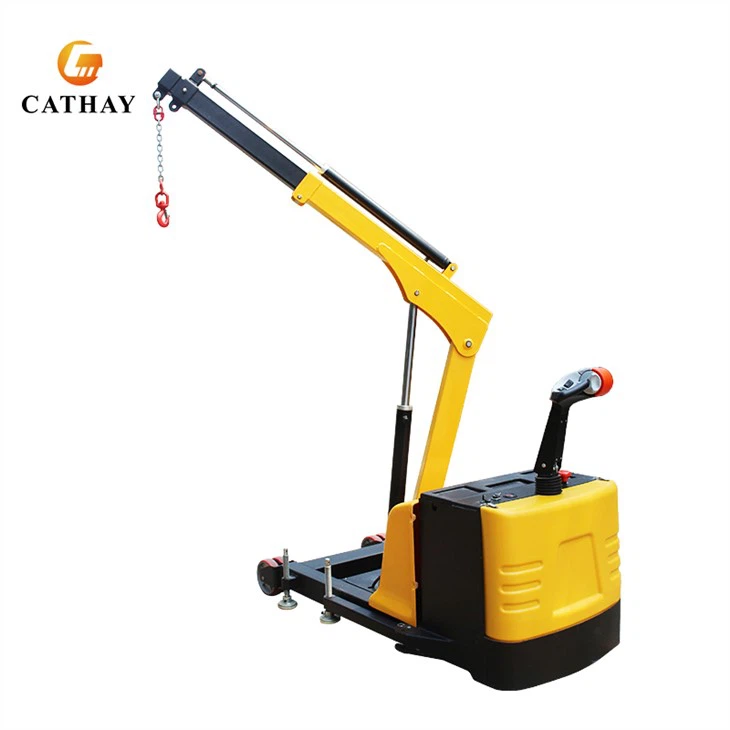
Before we discuss the maximum working time, let's briefly understand what floor cranes are. Floor cranes are versatile lifting devices used in various industries, such as manufacturing, warehouses, and construction sites. They are designed to lift and move heavy loads within a limited area. Our company offers a wide range of floor cranes, including Mobile Floor Crane, Jib Lifting Crane Equipment Engine Hoist, and Rotating Electric Crane. Each type has its own unique features and capabilities, but they all share the common goal of making lifting tasks easier and more efficient.
Factors Affecting Maximum Working Time
The maximum working time of a floor crane without a break is influenced by several factors. Let's take a closer look at each of these factors:
1. Crane Design and Build Quality
The design and build quality of a floor crane play a significant role in determining its maximum working time. High-quality cranes are typically built with durable materials and advanced engineering, which allows them to withstand continuous use for longer periods. For example, a crane with a robust frame and high-quality components is less likely to experience mechanical failures or wear and tear, even under heavy loads. At our company, we take pride in offering floor cranes that are built to last. Our cranes are designed with the latest technology and undergo rigorous testing to ensure their reliability and performance.
2. Load Capacity
The load capacity of a floor crane is another important factor to consider. A crane that is constantly operating at or near its maximum load capacity will experience more stress and wear on its components, which can reduce its maximum working time. On the other hand, a crane that is used to lift lighter loads can typically operate for longer periods without a break. It's important to choose a floor crane with a load capacity that is appropriate for your specific needs. Overloading a crane can not only reduce its working time but also pose a safety risk.
3. Operating Conditions
The operating conditions in which a floor crane is used can also have a significant impact on its maximum working time. Factors such as temperature, humidity, dust, and vibration can all affect the performance and lifespan of a crane. For example, operating a crane in a hot and humid environment can cause the components to overheat and wear out more quickly. Similarly, operating a crane in a dusty or dirty environment can cause the moving parts to become clogged and jammed. To ensure the maximum working time of your floor crane, it's important to operate it in a clean, dry, and well-ventilated environment. Regular maintenance and cleaning can also help to extend the lifespan of your crane.
4. Maintenance and Servicing
Regular maintenance and servicing are essential for ensuring the maximum working time of a floor crane. By following the manufacturer's recommended maintenance schedule, you can identify and address any potential issues before they become major problems. This includes tasks such as lubricating the moving parts, checking the hydraulic system, and inspecting the electrical components. At our company, we offer comprehensive maintenance and servicing packages for our floor cranes. Our team of experienced technicians can perform regular inspections, repairs, and replacements to keep your crane in top condition.

Recommended Maximum Working Time
Based on our experience and industry standards, we recommend that a floor crane should not operate for more than 8 hours without a break. This allows the crane to cool down and prevents excessive wear and tear on its components. However, this is just a general guideline, and the actual maximum working time may vary depending on the factors discussed above. If you need to operate your floor crane for longer periods, it's important to consult with the manufacturer or a qualified technician to determine the appropriate working time and maintenance schedule.
Tips for Extending Working Time
Here are some tips for extending the maximum working time of your floor crane:
- Choose the Right Crane: Select a floor crane with a load capacity and features that are appropriate for your specific needs.
- Follow the Manufacturer's Guidelines: Read and follow the manufacturer's instructions for operating and maintaining your crane.
- Perform Regular Maintenance: Schedule regular maintenance and servicing to keep your crane in top condition.
- Monitor the Crane's Performance: Keep an eye on the crane's performance and look for any signs of wear or damage.
- Provide Adequate Rest Breaks: Allow the crane to rest and cool down after extended periods of use.
Conclusion
The maximum working time of a floor crane without a break is influenced by several factors, including crane design, load capacity, operating conditions, and maintenance. By choosing the right crane, following the manufacturer's guidelines, and performing regular maintenance, you can extend the working time of your crane and ensure its reliability and performance. If you have any questions or need further information about our floor cranes, please don't hesitate to contact us. We're here to help you find the right solution for your lifting needs.
Contact Us for Purchase and Negotiation
If you're interested in purchasing a floor crane or have any questions about our products, we encourage you to reach out to us. Our team of experts is ready to assist you in selecting the most suitable floor crane for your specific requirements and engage in detailed purchase negotiations. We are committed to providing high-quality products and excellent customer service.
References
- American Society of Mechanical Engineers (ASME). (2019). Safety Standard for Overhead and Gantry Cranes.
- Occupational Safety and Health Administration (OSHA). (2017). Cranes and Derricks in Construction.
- Manufacturer's manuals and technical specifications for floor cranes.