
Hey there! As a supplier of Mini Scissor Lifts, I often get asked about the maximum load distribution on the working platform of these nifty machines. So, I thought I'd dive into this topic and share some insights with you all.
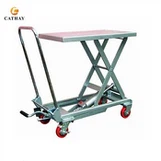
First off, let's understand what a Mini Scissor Lift is. It's a compact and versatile piece of equipment that's used in a variety of settings, from warehouses and factories to construction sites and retail stores. These lifts are designed to lift workers and materials to a certain height, making it easier to perform tasks that would otherwise be difficult or impossible to reach.
Now, when it comes to the maximum load distribution on the working platform of a Mini Scissor Lift, there are a few factors to consider. The most obvious one is the weight capacity of the lift itself. Each Mini Scissor Lift has a specified weight limit, which is determined by the manufacturer based on the design and construction of the lift. This weight limit includes the weight of the workers, tools, and materials that will be placed on the platform.
For example, let's say you have a Driving Motor Mini Scissor Lift with a weight capacity of 500 kilograms. This means that the total weight of everything on the platform, including the workers, tools, and materials, should not exceed 500 kilograms. If you exceed this weight limit, it can put a strain on the lift's components and increase the risk of accidents.
But it's not just about the total weight. The way the weight is distributed on the platform also matters. Ideally, the weight should be evenly distributed across the platform to ensure stability and balance. If the weight is concentrated on one side of the platform, it can cause the lift to tip over or become unstable.


To achieve even weight distribution, you can follow a few simple guidelines. First, make sure that the workers and materials are spread out evenly on the platform. Avoid placing all the heavy tools or materials on one side. Second, use the platform's center of gravity as a reference point. Try to keep the majority of the weight within the center of the platform to maintain balance.
Another important factor to consider is the type of load. Different types of loads have different characteristics, and they can affect the maximum load distribution on the platform. For example, a load that is tall and narrow may be more likely to tip over than a load that is short and wide. In this case, you may need to take extra precautions to secure the load and ensure its stability.
Let's take a look at some specific types of Mini Scissor Lifts and how they handle load distribution.
Semi Electric Mini Scissor Lift
Semi Electric Mini Scissor Lifts are a popular choice for many applications. They are powered by an electric motor for lifting and lowering, but they may require manual operation for moving the lift around. These lifts typically have a lower weight capacity compared to fully electric or hydraulic lifts, but they are still capable of handling a decent amount of weight.
When using a Semi Electric Mini Scissor Lift, it's important to pay attention to the load distribution. Since these lifts may not have the same level of stability as hydraulic lifts, it's crucial to ensure that the weight is evenly distributed on the platform. You may also need to be more careful when moving the lift with a load on the platform to avoid sudden movements that could cause the load to shift.
Mini Hydraulic Scissor Lift
Mini Hydraulic Scissor Lifts are known for their strength and stability. They use hydraulic cylinders to lift and lower the platform, which allows them to handle heavier loads compared to semi-electric or manual lifts. These lifts are often used in industrial settings where heavy materials need to be lifted to a certain height.
When it comes to load distribution on a Mini Hydraulic Scissor Lift, the principles are the same as with other types of lifts. However, due to their higher weight capacity, you may be able to place more weight on the platform. Just make sure that the weight is still evenly distributed to maintain stability.
In addition to following the weight capacity and load distribution guidelines, it's also important to perform regular maintenance on your Mini Scissor Lift. This includes checking the hydraulic system, inspecting the platform for any signs of damage, and ensuring that all the safety features are working properly. By keeping your lift in good condition, you can reduce the risk of accidents and ensure its optimal performance.
So, there you have it! That's a brief overview of the maximum load distribution on the working platform of a Mini Scissor Lift. Remember, safety should always be your top priority when using any type of lifting equipment. By following the guidelines and taking the necessary precautions, you can ensure that your Mini Scissor Lift operates safely and efficiently.
If you're in the market for a Mini Scissor Lift or have any questions about load distribution or other aspects of these lifts, don't hesitate to reach out. We're here to help you find the right lift for your needs and provide you with all the information you need to make an informed decision. Let's start a conversation and see how we can work together to get your projects done safely and effectively.
References
- OSHA (Occupational Safety and Health Administration) guidelines on scissor lift safety.
- Manufacturer's manuals for Mini Scissor Lifts.