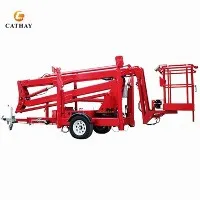

Operating a trailer man lift safely is of utmost importance to prevent accidents and ensure the well - being of operators. As a supplier of Trailer Man Lifts, I have witnessed firsthand the significance of proper safety procedures. In this blog, I will share some essential tips on how to operate a trailer man lift safely.
Pre - operation Checks
Before operating a trailer man lift, a thorough pre - operation check is crucial. This is the first line of defense in preventing potential hazards.
First, visually inspect the equipment. Check the trailer for any signs of damage, such as cracks in the frame or loose bolts. Ensure that the tires are properly inflated and that the wheel chocks are in good condition. A flat tire or a loose wheel chock can lead to instability during operation.
Next, examine the lift mechanism. Look for any signs of wear or damage on the boom, hydraulic hoses, and cables. Hydraulic hoses should be free of leaks, as a hydraulic fluid leak can not only cause the lift to malfunction but also pose a slipping hazard. The cables should be properly tensioned and without any fraying.
Check the electrical system if it is an Electric Cherry Picker Boom Lift. Ensure that all electrical connections are secure, and there are no exposed wires. Faulty electrical systems can lead to electrical shocks or even fires.
Inspect the control panel. Make sure all the controls are functioning properly and that the emergency stop button is easily accessible and in working condition. Test the horn or alarm to ensure it can be heard clearly in case of an emergency.
Setting Up the Trailer Man Lift
Once the pre - operation checks are completed, it's time to set up the trailer man lift.
Choose a suitable location. The ground should be level, firm, and free of any obstacles. Avoid setting up the lift on soft or uneven ground, as this can cause the lift to tip over. If the ground is soft, use outriggers or stabilizers to distribute the weight evenly and provide additional stability.
Position the trailer man lift away from power lines. Electrical contact with power lines can be fatal. Maintain a safe distance as specified in the equipment's manual.
Set the wheel chocks. Wheel chocks prevent the trailer from moving during operation. Place them firmly against the tires on both sides of the trailer.
Extend the outriggers or stabilizers according to the manufacturer's instructions. Make sure they are fully extended and locked in place. The outriggers provide a wider base of support, which is essential for the stability of the lift.
Operator Training
Proper operator training is a non - negotiable aspect of safe trailer man lift operation.
Operators should be trained by a qualified instructor. The training should cover all aspects of the equipment, including its controls, safety features, and emergency procedures. They should understand how to read the equipment's manual and follow all the safety guidelines.
Training should include practical hands - on experience. Operators should practice setting up, operating, and shutting down the lift in a controlled environment. They should also be trained to identify and respond to potential hazards, such as sudden movements, electrical malfunctions, or hydraulic leaks.
Regular refresher courses should be provided to keep operators updated on the latest safety procedures and any changes in the equipment's operation.
Operating the Trailer Man Lift
When operating the Trailer Man Lift, there are several key safety points to keep in mind.
Use the controls slowly and smoothly. Sudden or jerky movements can cause the lift to become unstable. Familiarize yourself with the control functions before starting the operation.
Do not exceed the lift's rated capacity. Overloading the lift can lead to structural failure and tip - overs. Know the maximum weight the lift can carry, including the weight of the operator, tools, and materials.
Keep the load centered. An off - center load can cause the lift to tilt. When placing tools or materials on the platform, distribute them evenly.
Do not stand on the guardrails or attempt to climb outside the platform. The guardrails are designed to prevent falls, and climbing on them can compromise your safety.
Be aware of your surroundings. Watch out for overhead obstacles, such as tree branches or building structures. Also, be mindful of other workers in the area to avoid collisions.
Emergency Procedures
Even with all the safety precautions in place, emergencies can still occur. Operators should be familiar with the emergency procedures.
In case of an electrical malfunction, immediately press the emergency stop button. This will cut off the power to the lift and prevent further electrical hazards.
If the lift starts to tip, stay inside the platform and hold on firmly to the guardrails. Do not attempt to jump out, as this can lead to serious injuries.
In case of a hydraulic failure, use the manual lowering mechanism if available. Follow the instructions in the equipment's manual to safely lower the platform.
Maintenance and Inspections
Regular maintenance and inspections are essential for the safe operation of the trailer man lift.
Follow the manufacturer's maintenance schedule. This includes tasks such as lubricating moving parts, checking fluid levels, and replacing worn - out components.
Conduct regular inspections, both visual and functional. Inspect the equipment before each use and perform more in - depth inspections at regular intervals.
Keep a maintenance log. Record all maintenance and inspection activities, including the date, the work performed, and any issues found. This log can help identify patterns of wear and tear and ensure that the equipment is properly maintained.
Safety Equipment
Using appropriate safety equipment is vital when operating a trailer man lift.
Operators should wear a full - body harness and be attached to a reliable anchor point on the platform. This can prevent falls in case of an accident.
Wear appropriate personal protective equipment (PPE), such as hard hats, safety glasses, and steel - toed boots. PPE can protect you from falling objects, flying debris, and foot injuries.
Transporting the Trailer Man Lift
When transporting the Towable Barrier - free Lifting Platform, there are also safety considerations.
Ensure that the lift is properly secured to the trailer. Use straps or chains to prevent it from moving during transit.


Check the trailer's hitch and coupling to make sure they are properly connected. A loose hitch can cause the trailer to detach from the towing vehicle.
Follow all traffic laws when transporting the lift. Be aware of the increased length and width of the trailer and drive cautiously.
In conclusion, operating a trailer man lift safely requires a combination of pre - operation checks, proper setup, operator training, safe operating procedures, emergency preparedness, maintenance, and the use of safety equipment. By following these guidelines, you can minimize the risk of accidents and ensure a safe working environment.
If you are interested in purchasing a high - quality trailer man lift or have any questions about its safe operation, please feel free to contact us for a procurement discussion. We are committed to providing you with the best products and services to meet your needs.
References
- Manufacturer's manuals for trailer man lifts
- Occupational Safety and Health Administration (OSHA) guidelines for aerial lift operations
- Industry best practices for safe equipment operation