
Hey there! As a supplier of Portable Man Lifts, I often get asked about how to transport these large-sized machines. It's a crucial topic, especially for those who need to move these lifts from one job site to another. So, let's dive right in and explore the ins and outs of transporting a large-sized portable man lift.


Understanding the Types of Portable Man Lifts
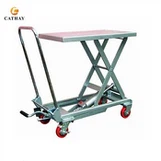
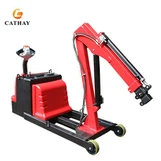
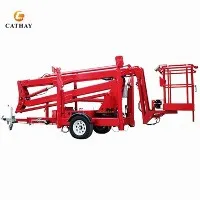
First off, it's important to know that there are different types of portable man lifts. We've got the Mast Lift, which is great for reaching moderate heights in tight spaces. Then there's the Aluminum Alloy Material Lift, known for its lightweight yet sturdy construction. And if you need more reach and mobility, the Two Mast Self Propelled Aluminum Man Lift is a top choice. Each type has its own unique features and requirements when it comes to transportation.
Pre-Transportation Checks
Before you even think about moving your portable man lift, you need to do a thorough pre-transportation check. This includes inspecting the lift for any visible damage. Look for cracks in the frame, loose bolts, or any other signs of wear and tear. Make sure all the safety features, like the guardrails and emergency stop buttons, are in working order. You don't want to be on the road with a lift that has a faulty safety mechanism.
Next, check the fluid levels. This includes hydraulic fluid, oil, and coolant if applicable. Low fluid levels can cause problems during transportation and may even damage the lift. Also, make sure the battery is fully charged if it's an electric lift. You don't want to run out of power halfway through the journey.
Choosing the Right Transport Vehicle
Once you've done your checks, it's time to choose the right transport vehicle. The size and weight of your portable man lift will determine the type of vehicle you need. For smaller lifts, a flatbed truck or a trailer might be sufficient. But for larger, heavier lifts, you may need a specialized transport vehicle with a higher weight capacity.
When choosing a vehicle, make sure it has a secure loading area. You don't want the lift to shift or tip over during transit. Look for vehicles with tie-down points or straps to secure the lift in place. Also, consider the height clearance of the vehicle. You need to make sure the lift can fit safely without hitting any obstacles.
Loading the Portable Man Lift
Loading the lift onto the transport vehicle is a critical step. You need to do it carefully to avoid any damage to the lift or the vehicle. First, make sure the loading area is clean and free of any debris. Then, use a ramp to drive or winch the lift onto the vehicle. If you're using a winch, make sure it's rated for the weight of the lift.
Once the lift is on the vehicle, secure it tightly using straps or chains. Make sure the straps are not too loose or too tight. You want to hold the lift in place without causing any damage. Check the straps regularly during the journey to make sure they're still secure.
Securing the Portable Man Lift
In addition to securing the lift with straps, you may also need to use blocking and bracing to prevent it from moving. Place blocks or wedges under the wheels of the lift to prevent it from rolling. You can also use braces to support the lift and keep it stable.
Make sure all the moving parts of the lift, like the boom or the platform, are locked in place. This will prevent them from moving around during transit and causing damage. If there are any loose parts, remove them and store them safely in the vehicle.
Transportation Considerations
During transportation, there are a few things you need to keep in mind. First, drive carefully. Avoid sudden stops, starts, or turns. These can cause the lift to shift or tip over. Follow the speed limits and be aware of the road conditions.
Also, make sure to check the lift regularly during the journey. Stop every few hours to inspect the straps, blocks, and braces. Make sure everything is still secure and there are no signs of damage. If you notice any problems, stop immediately and take the necessary steps to fix them.
Unloading the Portable Man Lift
Once you've reached your destination, it's time to unload the lift. Follow the same safety procedures as when loading the lift. Use a ramp to drive or winch the lift off the vehicle. Make sure the unloading area is safe and free of any obstacles.
After unloading the lift, do another inspection to make sure it's still in good condition. Check for any damage that may have occurred during transportation. If you find any problems, contact a professional for repairs.
Post-Transportation Maintenance
After transporting the portable man lift, it's important to do some post-transportation maintenance. This includes checking the fluid levels again, tightening any loose bolts, and lubricating any moving parts. You may also want to give the lift a thorough cleaning to remove any dirt or debris that may have accumulated during transit.
Regular maintenance is essential to keep your portable man lift in good working condition. It will also extend the lifespan of the lift and reduce the risk of breakdowns.
Conclusion
Transporting a large-sized portable man lift requires careful planning and attention to detail. By following the steps outlined in this blog, you can ensure a safe and successful transportation process. Remember to do your pre-transportation checks, choose the right transport vehicle, load and secure the lift properly, and follow the transportation and unloading procedures carefully.
If you're in the market for a portable man lift or need more information about transportation, don't hesitate to reach out. We're here to help you with all your portable man lift needs. Whether you're a contractor, a facility manager, or a DIY enthusiast, we've got the right lift for you. Contact us today to start the conversation and explore your options.
References
- General industry knowledge and experience in the portable man lift industry.
- Manufacturer's guidelines and recommendations for portable man lift transportation.