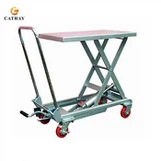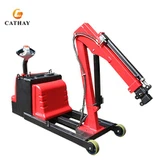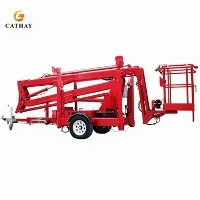

Indoor man lifts are versatile pieces of equipment designed to provide safe and efficient access to elevated areas within enclosed spaces. As a leading supplier of indoor man lifts, I often receive inquiries about the suitability of these machines for various indoor environments, including libraries. In this blog post, I will explore the feasibility of using indoor man lifts in libraries, discussing the benefits, considerations, and best practices for ensuring a successful implementation.
Benefits of Using Indoor Man Lifts in Libraries
1. Access to High Shelves
Libraries typically have tall bookshelves that can reach up to several meters in height. Accessing the upper shelves can be challenging and dangerous for library staff, especially when using traditional ladders. Indoor man lifts, such as Mast Lift, provide a stable and secure platform for reaching these high shelves, allowing staff to retrieve and shelve books with ease.
2. Improved Efficiency
With an indoor man lift, library staff can quickly move between different levels of the shelves, reducing the time and effort required to perform tasks such as inventory management, shelving, and retrieval. This increased efficiency can lead to significant cost savings for the library in the long run.
3. Safety
Indoor man lifts are equipped with safety features such as guardrails, emergency stop buttons, and anti-slip platforms, which help to prevent accidents and injuries. By using an indoor man lift instead of a ladder, library staff can work at height with greater confidence and safety.
4. Flexibility
Indoor man lifts come in a variety of sizes and configurations, making them suitable for use in different types of libraries, from small community libraries to large academic institutions. They can be easily maneuvered around obstacles and narrow aisles, providing access to hard-to-reach areas.
Considerations for Using Indoor Man Lifts in Libraries
1. Floor Load Capacity
Before using an indoor man lift in a library, it is important to ensure that the floor can support the weight of the lift and its operator. The floor load capacity requirements will depend on the type and size of the lift, as well as the weight of the books and other materials being stored on the shelves. It is recommended to consult with a structural engineer or a flooring specialist to determine the appropriate floor load capacity for the library.
2. Space Requirements
Indoor man lifts require a certain amount of space to operate safely. It is important to ensure that there is enough clearance around the lift to allow for easy maneuverability and to prevent collisions with shelves, walls, or other objects. Additionally, the lift should be parked in a designated area when not in use to avoid obstructing traffic flow.


3. Noise and Emissions
Some indoor man lifts are powered by gasoline or diesel engines, which can produce noise and emissions. In a library environment, it is important to choose a lift that is quiet and environmentally friendly. Electric-powered indoor man lifts are a popular choice for libraries, as they produce no emissions and operate quietly.
4. Training and Certification
Operating an indoor man lift requires specialized training and certification. Library staff who will be using the lift should receive comprehensive training on the safe operation of the equipment, including pre-use inspections, proper lifting techniques, and emergency procedures. It is also important to ensure that the lift is maintained regularly and that all safety features are in working order.
Best Practices for Using Indoor Man Lifts in Libraries
1. Conduct a Site Assessment
Before using an indoor man lift in a library, it is important to conduct a thorough site assessment to identify any potential hazards or obstacles. This assessment should include a review of the floor load capacity, space requirements, and any other factors that may affect the safe operation of the lift.
2. Develop a Safety Plan
A safety plan should be developed and implemented for the use of indoor man lifts in the library. This plan should include procedures for pre-use inspections, operator training, emergency response, and maintenance. All library staff who will be using the lift should be familiar with the safety plan and should follow it at all times.
3. Use the Right Equipment
Choosing the right indoor man lift for the library's needs is essential. Consider factors such as the height of the shelves, the weight of the books, the space available, and the frequency of use when selecting a lift. It is also important to ensure that the lift is equipped with all the necessary safety features and that it meets all relevant safety standards.
4. Maintain the Equipment
Regular maintenance is essential to ensure the safe and reliable operation of indoor man lifts. The lift should be inspected and serviced regularly by a qualified technician, and any worn or damaged parts should be replaced immediately. It is also important to keep the lift clean and free of debris to prevent damage and to ensure optimal performance.
Conclusion
In conclusion, indoor man lifts can be a valuable asset for libraries, providing safe and efficient access to high shelves and improving the overall productivity of library staff. However, it is important to carefully consider the benefits, considerations, and best practices outlined in this blog post before using an indoor man lift in a library. By following these guidelines, libraries can ensure that the use of indoor man lifts is safe, effective, and compliant with all relevant safety standards.
If you are interested in learning more about our Efficient Warehouse Access Equipment or Vertical Indoor Access Platform for your library, please do not hesitate to contact us. Our team of experts will be happy to assist you in selecting the right equipment for your needs and to provide you with all the information and support you need to ensure a successful implementation.
References
- OSHA. (n.d.). Powered Industrial Trucks. Retrieved from [OSHA Website]
- ANSI. (n.d.). Safety Standards for Aerial Lifts. Retrieved from [ANSI Website]