

Safety Innovation Drives the Evolution of the Standing Platform Stair Lift Industry
In the global mobility aid industry, the standing platform stair lift has emerged as a critical solution for individuals with limited mobility, especially those who cannot comfortably use seated stair lifts due to hip, knee or back issues. While the core function of a standing platform stair lift-providing safe vertical mobility between floors-remains unchanged, the industry's focus on safety innovation has become the key driver of product evolution, ensuring this essential device meets rigorous global standards and user expectations.
Safety is the cornerstone of every standing platform stair lift, as the device carries users in an upright position, requiring robust protective mechanisms to prevent falls, slips or malfunctions. Modern standing platform stair lift models integrate a suite of safety features that address the unique risks of standing travel, from non-slip footplates to redundant braking systems, all designed to prioritize user security.
One of the most significant safety advancements in the standing platform stair lift industry is the integration of intelligent obstruction sensors, a feature mandated by international standards such as EN 81-40:2020 and ISO 9386-2:2000, which govern the design and installation of mobility lifts for impaired users. These sensors detect obstacles on the stairway or platform, automatically stopping the standing platform stair lift to avoid collisions-a critical improvement over older models that relied solely on manual emergency stops.
Another safety innovation transforming the standing platform stair lift industry is the development of enhanced stability systems, including foldable knee bars and raised armrests. The knee bar prevents users from tipping forward during travel, while the armrests provide lateral support, reducing the risk of slipping sideways on narrow or steep staircases-common challenges in historic buildings or small homes. These features are particularly vital for users with balance issues, making the standing platform stair lift accessible to a broader range of individuals, including seniors and those with mild mobility impairments.
Compliance with global safety standards has also become a competitive differentiator for standing platform stair lift manufacturers. Companies must adhere to region-specific regulations, such as ADA standards in the U.S. and EU safety directives, which require rigorous testing of every standing platform stair lift before it reaches the market.
Industry experts note that safety innovation will continue to shape the standing platform stair lift market, with future advancements likely focusing on AI-powered monitoring and predictive maintenance. For instance, smart standing platform stair lift models may soon include sensors that track user posture and alert caregivers to potential safety risks, or diagnostic tools that predict component failures before they occur. These developments will not only enhance user safety but also extend the lifespan of the standing platform stair lift, reducing long-term maintenance costs for users and providers alike.
As the global aging population grows and demand for accessible mobility solutions increases, the standing platform stair lift industry's commitment to safety innovation ensures that this essential device remains a reliable, secure option for individuals seeking independence. By prioritizing safety features and adhering to strict standards, manufacturers are not only meeting user needs but also elevating the entire industry to new levels of quality and trust.
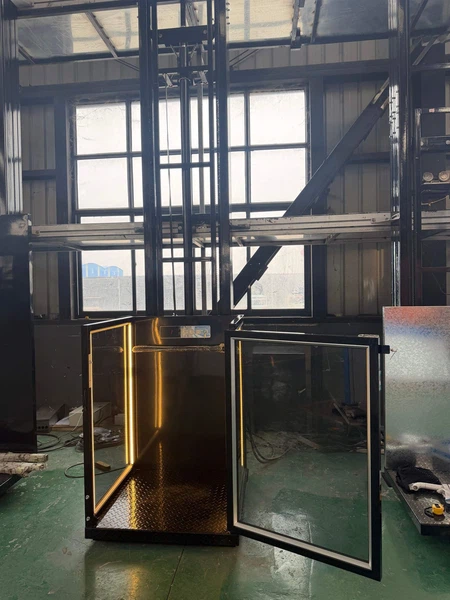

For more information about the Standing Platform Stair Lift, welcome to contact us.
Shandong Cathay Machinery Co., Ld
www.cathaylift.com
Email: sales@cathaylift.com