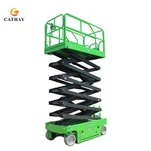


Safe Use of Pull Behind Lift
In the field of aerial work platforms,pull behind lift are widely used in various outdoor aerial work environments due to their ease of towing and rapid deployment. However, safe use is a prerequisite for efficient operation. Safe use of these pull behind lift not only ensures operator safety but also directly impacts work efficiency and equipment lifespan. Therefore, a thorough understanding of safe pull behind lift operation procedures is crucial for every operator and equipment manager and is key to accident prevention.
Safe use of pull behind lift begins with a thorough pre-operation inspection, the first line of defense against potential hazards. Before starting the crane, the operator must inspect the essential components one by one: ensure the tow hook is securely fastened and the tow rope is free from wear and tear; check the hydraulic system to ensure there is sufficient hydraulic oil, no pipe leaks, and that the hydraulic clamping supports are functioning correctly in terms of extension, contraction, and locking; verify the safety barriers and anti-slip mats of the work platform are intact, the emergency stop button is responsive, and the load markings are clearly visible. At the same time, inspect the power system to ensure adequate power supply and proper functioning of the equipment, thus guaranteeing its operation.
Selecting the work site environment is crucial for the safe use of pull behind lift. These cranes must be operated on level, solid ground. Their use on soft, muddy, or sloped surfaces exceeding 5 degrees is strictly prohibited to prevent tipping. The work site must be kept away from high-voltage power lines and flammable or explosive materials. When working near high-voltage power lines, maintain a safe distance and take appropriate protective measures. For outdoor work, pay attention to weather forecasts. Crane operation is strictly prohibited during heavy rain, winds exceeding level 6, thunderstorms, or any other severe weather conditions to ensure the work environment meets safety requirements.
Proper operation by personnel is fundamental to the safe use of manual cranes. Operators must be professionally trained and qualified before operation; operating without a license is strictly prohibited. Wear appropriate personal protective equipment and fasten your safety harnesses correctly during operation. Operate the hoists slowly when raising, lowering, or rotating the platform, and avoid sudden stops and turns. Always be aware of your surroundings and refrain from throwing objects from heights, climbing over guardrails, or committing any other violations. A qualified person must be assigned to monitor the ground, and unauthorized personnel are strictly prohibited from entering the work area. If any malfunction is detected, stop the machine immediately and investigate.
Maintenance and storage after operation are equally important. After operation, the pull behind lift must be lowered to its lowest level, and the side supports retracted and folded into the pull-out position. Inspect the components for any damage, clean the platform of debris, and then pull it to a flat, dry, and well-ventilated storage area, away from flammable and explosive materials. Regular maintenance of the back-to-back hoist is crucial, including checking fluid levels, tightening fasteners, troubleshooting and repairing faults, and recording any problems to ensure the equipment is safe and ready for operation.
In short, the safe operation of pull behind lift is a systematic process that includes pre-operational checks, selection of the appropriate environment, standardized operation, and post-operational maintenance. As pull behind lift become more widespread and safety regulations continue to improve, strict adherence to these regulations and meticulous attention to detail are the only ways to maximize their benefits, ensuring efficient and safe aerial work and fostering the healthy development of the industry.


For more information about the Pull Behind Lift, welcorhe to contact us.
Shandong Cathay Machinery Co., Ld
www.cathaylift.com
Email: sales@cathaylift.com