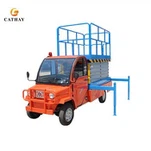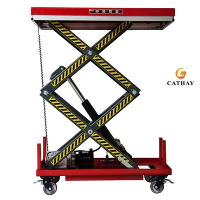


In the realm of industrial operations, the movement of goods and materials across different levels of a facility is a critical aspect that can significantly impact productivity and safety. One of the most effective solutions to this challenge is the Hydraulic Vertical Elevator Lift. This technology has become indispensable in modern industrial settings, offering a blend of reliability, efficiency, and safety that traditional methods struggle to match. This article delves into the industry knowledge surrounding hydraulic vertical elevator lifts, with a focus on the features and benefits that make them a preferred choice for many businesses.
Hydraulic Vertical Elevator Lifts: An Overview
Hydraulic vertical elevator lifts are designed to transport heavy loads vertically in industrial and commercial buildings. Unlike traditional elevators, which are often limited to passenger use, these lifts are built to handle the rigorous demands of industrial environments. They are ideal for warehouses, factories, and multi-level workshops, providing a robust solution for the vertical movement of goods.
How Hydraulic Lifts Work
The core principle of hydraulic lifts involves the use of a hydraulic system powered by a pump station. The system typically consists of a hydraulic pump, cylinders, and pistons. When the pump forces oil into the cylinder, the piston is pushed up, lifting the platform. To descend, the oil is released back into the reservoir, allowing the platform to lower smoothly. This simple yet powerful mechanism ensures precise control over the lift's movement, making it both efficient and reliable.
Key Features and Advantages
Customizability: Hydraulic vertical elevator lifts can be customized to fit specific site requirements. The pit depth and platform height can be tailored to accommodate various building structures, whether steel or concrete.
Safety Mechanisms: Modern hydraulic lifts come equipped with multiple safety features. These include automatic insurance during ascent, chain or wire rope break protection devices, and hydraulic system pressure loss explosion-proof protection. These mechanisms ensure the safe operation of the lift, even under adverse conditions.
Precision and Stability: The use of imported cylinders and seals ensures stable oil pressure and minimizes the risk of oil leakage. Additionally, the permanent magnet switch for leveling guarantees high precision, making the lift reliable for transporting sensitive materials.
Ease of Use: With a standard elevator control panel featuring an LCD display call box, the operation of these lifts is user-friendly. The control panel provides clear visual indicators of the lift's position and allows for both automatic and manual controls, enhancing operational efficiency.
Emergency Features: In case of power failure, hydraulic lifts offer a manual emergency descent mechanism. This feature ensures that the lift can be safely lowered without power, protecting both the load and the operator.
Applications in Industry
Hydraulic vertical elevator lifts are widely used in various industries due to their versatility and robustness. In manufacturing plants, they facilitate the movement of raw materials and finished products between floors. In warehouses, they enhance the efficiency of storage and retrieval operations. In automotive workshops, they are used to lift vehicles for repairs and maintenance. The adaptability of these lifts makes them suitable for both indoor and outdoor applications.
Economic Impact
Investing in hydraulic vertical elevator lifts can lead to significant cost savings. By automating the vertical transportation of goods, businesses can reduce labor costs and minimize the risk of workplace injuries. Additionally, the increased efficiency in material handling translates to faster turnaround times and higher productivity.
Future Trends
As technology advances, the design and functionality of hydraulic vertical elevator lifts continue to improve. Innovations such as IoT integration for real-time monitoring, energy-efficient hydraulic systems, and enhanced safety features are set to further elevate the capabilities of these essential industrial tools.
In conclusion, hydraulic vertical elevator lifts are a critical component in modern industrial operations. Their ability to efficiently and safely transport heavy loads vertically makes them an invaluable asset in enhancing productivity and operational efficiency. As industries continue to evolve, the role of these lifts will undoubtedly become even more significant.

For more information about the Hydraulic Vertical Elevator Lift, welcome to contact us.
Shandong Cathay Machinery Co., Ltd
www.cathaylift.com
Email:sales@cathaylift.com